
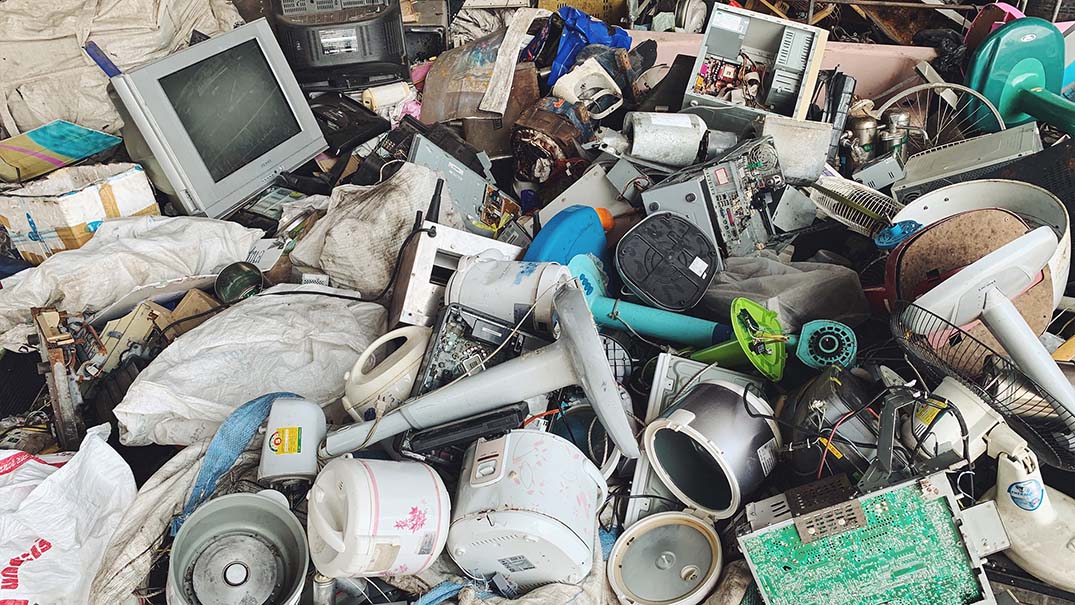
Gauteng recorded the highest participation in Vodacom South Africa’s Turn Your E-Waste into Rewards Challenge, demonstrating that South Africans are willing to embrace responsible e-waste recycling when it is made simple, convenient and rewarding.
Delivered in partnership with Circular Energy NPC, the challenge collected more than 2 270 kilograms of electronic waste through 114 home collections across eight provinces, preventing unwanted electronics from ending up in landfill, while encouraging consumers to adopt more sustainable disposal habits.
Gauteng led the initiative, collecting more than 1 330 kilograms of e-waste, followed by KwaZulu-Natal (609.8kg) and the Western Cape (307kg). The results highlight the positive impact that accessible collection initiatives can have in addressing one of South Africa’s fastest-growing environmental challenges.
According to the UN Global E-Waste Monitor, South Africa generates an estimated 530 million kilograms of e-waste every year, which is almost eight kilograms per person. However, much of it remains stored in homes or is disposed of incorrectly despite containing valuable materials that can be recovered and reused through responsible recycling.
The competition formed part of Vodacom’s ongoing partnership with Circular Energy to make responsible e-waste recycling more accessible through convenient home collections, supporting the company’s broader commitment to advancing a circular economy.
Takalani Netshitenzhe, director: external affairs at Vodacom South Africa, says: “The results of this initiative demonstrate that South Africans are ready to embrace more sustainable behaviours when we make it easy for them to do so. Collecting more than 2.2 tonnes of e-waste through just 114 home collections shows that convenience and collaboration can play a powerful role in changing consumer behaviour.”
“At Vodacom, we believe that protecting the planet requires partnerships that make sustainable choices more accessible. Through our collaboration with Circular Energy, we’re helping customers responsibly recycle old mobile phones and tablets that would otherwise end up in landfill. This partnership forms an important part of our circular economy strategy, helping us keep valuable materials in use for longer, reduce waste and connect people to a better future,” adds Netshitenzhe.
The challenge encouraged participants to schedule free home collections through Circular Energy, making it easier for consumers to dispose of unwanted electronics responsibly without leaving their homes.
“Electronic waste is one of the fastest-growing waste streams in South Africa, yet far too many unwanted devices remain in cupboards, garages and storerooms or are disposed of incorrectly. The success of this campaign demonstrates that when recycling is made convenient through services such as free home collections, people are willing to do the right thing,” says Patricia Schröder, CEO of Circular Energy.
“Partnerships such as this one with Vodacom are essential to building a circular economy that keeps valuable materials in circulation, diverts waste from landfill and supports South Africa’s Extended Producer Responsibility regulations. Every electronic device returned helps conserve resources, protect the environment and contributes to the growth of a more sustainable and resource-efficient economy,” Schröder says.
The initiative builds on the partnership between Vodacom and Circular Energy announced in 2024, which aims to strengthen South Africa’s e-waste management ecosystem by improving the responsible collection, recovery and recycling of electronic waste.
As part of its broader circular economy strategy, Vodacom continues to invest in initiatives that extend the lifespan of devices, reduce waste and create shared environmental and social value. This includes its RedLovesGreen programme, which enables customers to repair, refurbish, resell or responsibly recycle devices, alongside ongoing efforts to reuse, resell or recycle network equipment and contribute to the growth of South Africa’s green economy.