
Cyber resilience is becoming more important than cyber prevention
For many years, organisations viewed cybersecurity as a simple goal: preventing attackers from entering the corporate network. By Saurabh Prasad, senior solution architect at In2IT Technologies Businesses invested heavily in firewalls, antivirus software, email...

What happens when your AI assistant learns your bad workplace habits?
An employee under pressure at a logistics firm finds a productivity boosting shortcut. Instead of manually parsing a 40-page supplier contract, they paste the confidential PDF into a public generative AI tool for a quick summary. It saves a couple of hours of reading....
The missing link in cyber resilience
Cybersecurity has become one of the biggest priorities for organisations across South Africa. Businesses continue to invest in security platforms, monitoring tools and threat detection technologies in an effort to strengthen their cyber resilience. Yet despite these...
Trade credit insurance a strategic business growth tool
South African businesses have never had the luxury of operating in a predictable environment, writes Luke Morawitz, country manager and head of credit at Allianz Trade South Africa. Economic growth has remained subdued for years, competition has intensified across...
Verified channels are now banking’s strongest defence
Bank impersonation fraud has become South Africa’s most prolific financial threat, thriving in the grey zone between trust and technology. By Brighton Chidoma, senior customer growth executive at Infobip According to the South African Fraud Prevention Service (SAFPS),...
Resilient businesses treat AI as an enabler, not a strategy
Artificial intelligence (AI) may dominate discourse in the boardroom, but chasing innovation without resilience is a strategic blind spot. By Derek Street, head of sales and marketing at Data Management Professionals AI is not a replacement for sound judgement – it...
Where to draw the line when using AI to vet potential clients?
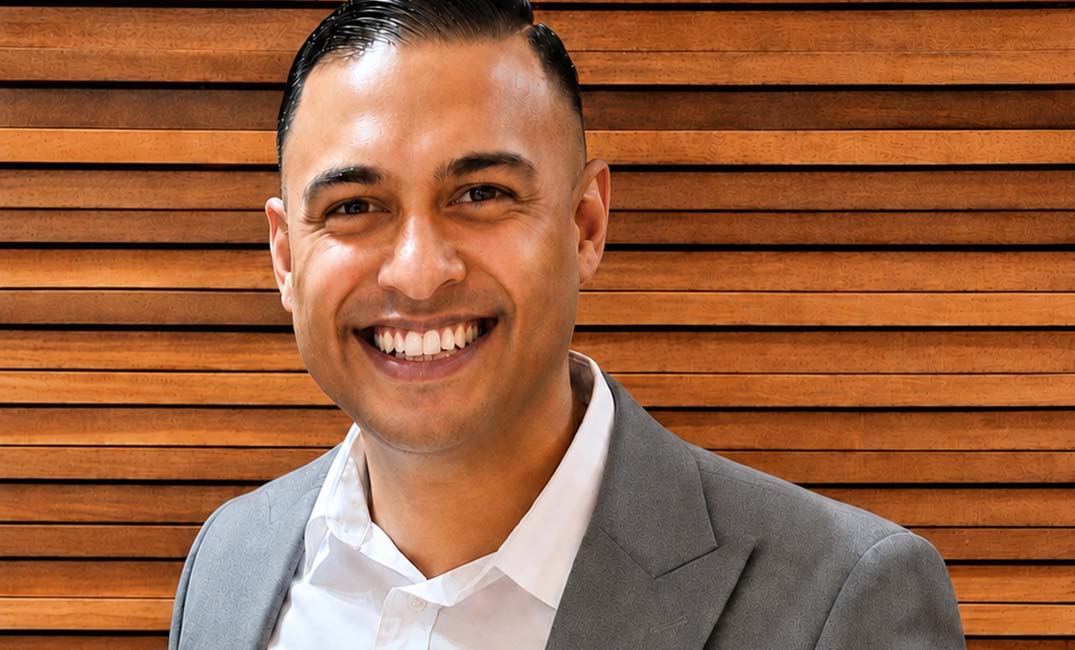
Artificial intelligence (AI) has become an indispensable business tool. From summarising information and identifying patterns to accelerating research, AI has transformed the way organisations gather intelligence on prospective clients. By Ramon Pillay, head of sales...

SMB resilience the new competitive advantage in the AI era
In the fast-paced world of Small and Medium-Sized Businesses (SMBs), cybersecurity has traditionally been viewed as a defensive necessity - a cost of doing business focused on keeping threats at bay and meeting regulatory obligations such as the Protection of Personal...
SA’s digital future depends on cyber resilience
South Africa's data centre sector is expanding rapidly. New investment is creating opportunities for economic growth, digital innovation and regional connectivity, while positioning the country as a strategic hub for Africa's digital economy. By Kgomotso Lebele,...
Your AI governance policy should survive your next model change
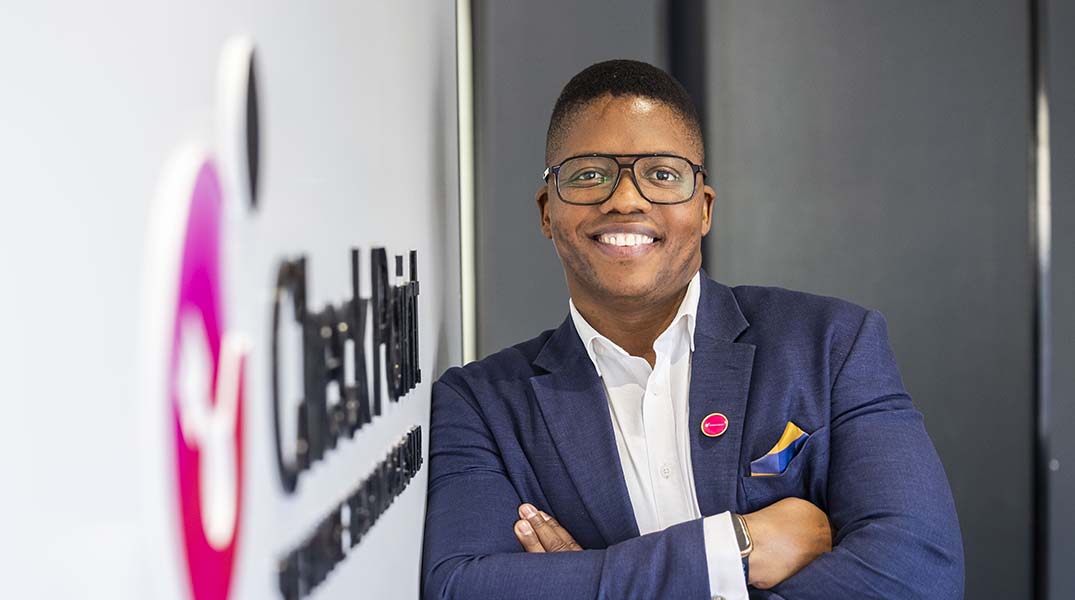
The model migration is ready for approval. By Shayimamba Conco, security evangelist: Africa at Check Point Software Technologies Tests show better performance and lower costs. The application will serve the same users, process the same data, and support the same...
SAS and Swiss Re partner to help insurers navigate risk
SAS has partnered with global reinsurance provider Swiss Re to help insurers strengthen resilience through AI-driven risk intelligence and advanced actuarial decisioning. As a member of the SAS Strategic Technology Partner Program, Swiss Re will combine its CatNet...
Bribery the biggest corruption risk facing SA businesses
The Prevention and Combating of Corrupt Activities Amendment Bill, recently tabled before Parliament, calls for stricter mandatory reporting thresholds and supports severe penalties for failure to report corruption. This is the word from says Elani Vogel, senior...