
This Youth Month, online recruitment platform Pnet has released its Pnet Job Market Trends Report for June 2026, featuring a closer look at the top entry-level job opportunities in South Africa.
Based on vacancies posted across the company’s platforms, this special Youth Month edition identifies realistic entry points into employment for school leavers, graduates and first-time jobseekers.
From sales, administration and customer support to finance, information technology, engineering and marketing, the report explores occupations that create opportunities for the country’s next generation of talent. It highlights a range of accessible pathways into employment for young people with varying levels of education and experience.
“For young jobseekers, identifying realistic entry points into employment can be challenging in a tight economy and competitive job market,” says Anja Bates, head of data at Pnet. “However, employers across a range of industries continue to recruit entry-level talent to support business growth, succession planning and future skills development.”
Results provide a snapshot of where entry-level demand exists today to give young South Africans valuable insight into potential career starting points:
Top entry level jobs for school leavers
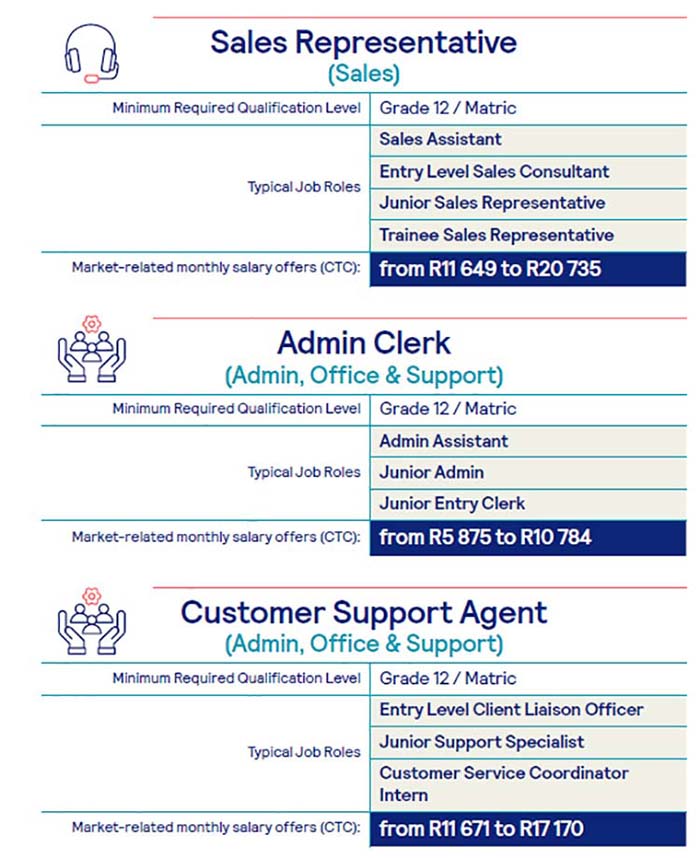
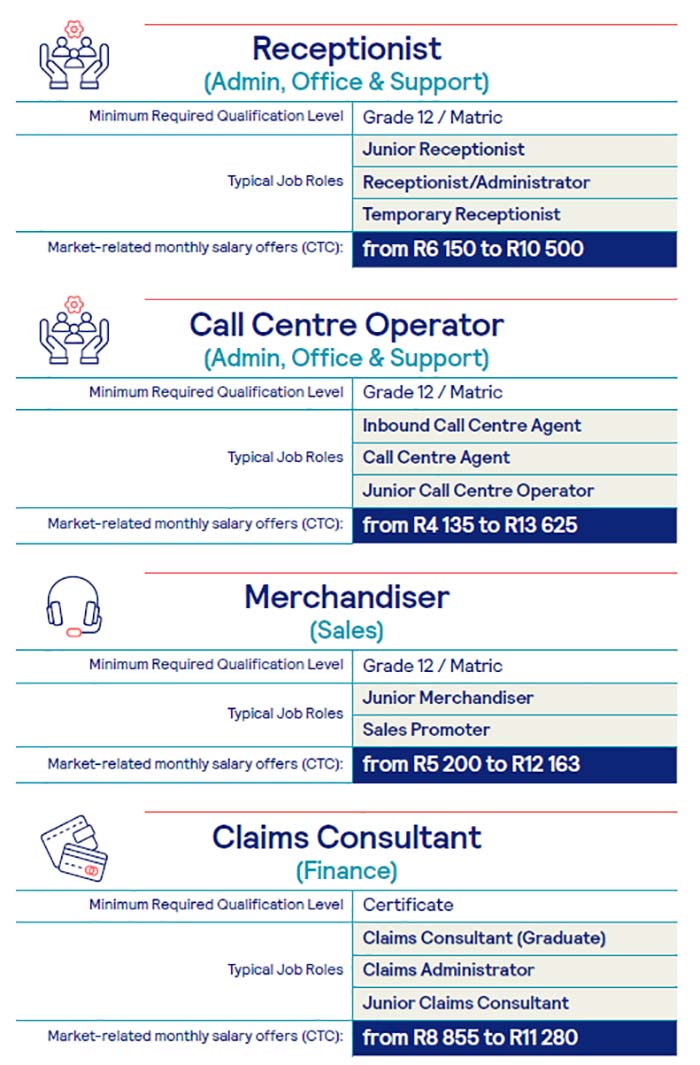
Bates comments: “For jobseekers, the data highlights that a successful career begins with gaining practical workplace experience rather than securing the perfect role immediately. Many of today’s most in-demand professionals started their careers in entry-level positions that provided foundational skills, industry exposure and opportunities for growth.
“For employers, entry-level recruitment is key to building sustainable talent pipelines. Investing in early-career talent helps organisations address future skills needs and creates opportunities to develop employees who understand the business from the ground up. In a competitive labour market, attracting and nurturing young talent can provide a valuable long-term advantage.”
Bates encourages young jobseekers to stay active on online job portals to keep track of opportunities and connect with prospective employers. “Regularly browsing vacancies helps you to identify which skills are in demand, discover career paths you may not have considered and get a realistic picture of the qualifications and experience employers are looking for,” she says.
Jobseekers are urged to keep their online profiles and CVs up to date and tailored to the types of roles they are targeting, and to ensure their contact details are up to date online. Remaining active on the platforms can improve visibility to recruiters. Candidates who have recently updated their profiles or engaged with the platform often appear higher in search and filter results, as this indicates that the candidate is still in the job market.
Bates also recommends setting up job alerts that match your preferred role, industry and location. These notifications ensure that you are among the first to hear about new vacancies and deliver relevant opportunities directly to your inbox. “Applying early can make a real difference to your chances.”
Even without extensive work experience, jobseekers can highlight their education, short courses they have completed, volunteer and community work, internships and transferable skills in their profiles. “A complete, professional profile and a well-structured CV can help you stand out and improve your chances of securing your first opportunity,” says Bates.