
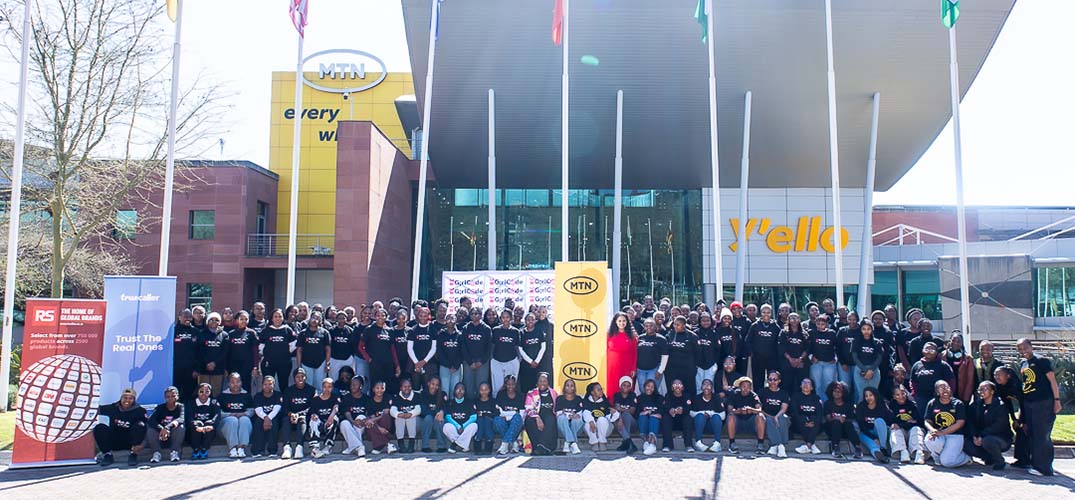
GirlCode, in partnership with Absa Group, Truecaller, MTN, SAP Fioneer, RS South Africa and other ecosystem partners, successfully hosted the first leg of the 2026 GirlCode Hackathon across Johannesburg, Cape Town and Botswana on 15 and 16 August 2026.
Across the three locations, the hackathon brought together 177 participants, supported by more than 25 mentors and 25 volunteers who provided technical guidance, industry insights and on-the-ground support throughout the weekend.
Now in its 12th year, the GirlCode Hackathon continues to grow from a South African coding competition into a pan-African platform designed to identify, develop and support the next generation of women building technology solutions for Africa.
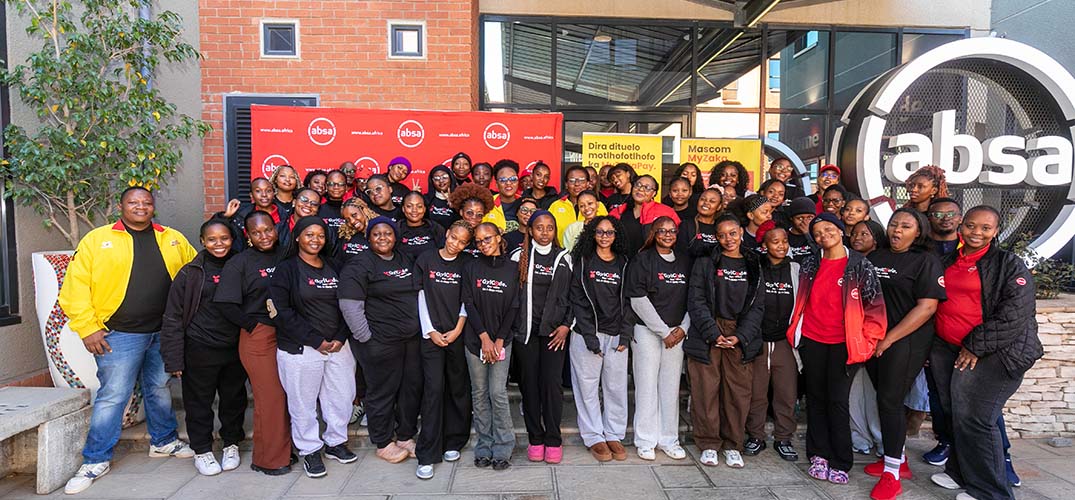
The Johannesburg, Cape Town and Gaborone hackathons mark the beginning of this year’s continental programme, with further hackathons scheduled to take place across East and West Africa between September and October 2026.
Winning teams from each participating country will progress to the Pan-African Finals, where Africa’s top teams will compete for a Grand Cash Prize of R100 000 and an opportunity to take their ideas beyond the hackathon stage.
GirlCode founder and CEO Zandile Mkwanazi says the organisation’s ambition is for the hackathon to become more than an annual technology competition.
“When we started the GirlCode Hackathon 12 years ago, our goal was to create a space where women could come together, code, learn and prove that they belonged in technology. What we are building today is much bigger than a competition.
“We want to identify women with strong ideas, technical ability and the ambition to solve Africa’s problems, and then give them a pathway to continue building beyond the weekend. The next phase of the GirlCode Hackathon is about helping winning teams turn promising solutions into technology startups that have the potential to create jobs, attract investment and scale across the continent.”
This evolution represents a deliberate shift in the GirlCode Hackathon model. While participants are still required to develop and present working technology solutions within an intensive hackathon environment, GirlCode is increasingly focused on what happens after the winners are announced.
In Johannesburg, the winning team developed a knowledge-sharing platform designed to preserve local and cultural knowledge, demonstrating how technology and AI can be used not only to address commercial challenges, but also to protect and make Africa’s knowledge more accessible for future generations.
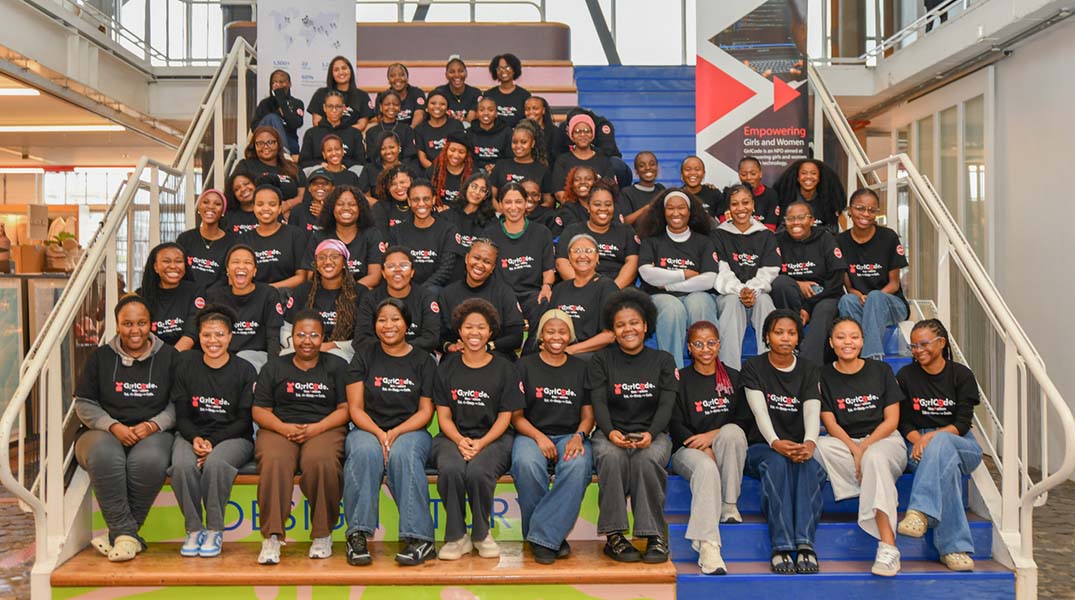
The aim is to create a stronger pipeline of female technologists, innovators and founders who are not only participating in Africa’s digital economy, but actively building the products and companies that will shape it.
“The success of the first leg of this year’s hackathon highlights both the incredible talent of young women across Africa and the growing demand for platforms that help unlock that potential,” says Tamu Dutuma, head of strategy and transformation, technology: Africa regions at Absa. “The GirlCode Hackathon brings together technology, innovation and purpose, challenging participants to build solutions with real social and economic impact. We want to see more women participating and leveraging technology to solve real problems that will drive prosperity and growth across the continent.”
or Mkwanazi, the continued continental expansion of the programme demonstrates both the appetite and the opportunity that exists among young African women.
“The talent is here. The ideas are here. What is often missing is access — access to opportunities, networks, capital, technology and people who believe in those ideas early enough.
“Our role through GirlCode is to help close that gap. We want a young woman who enters a GirlCode Hackathon with an idea to be able to imagine herself leaving not only as a winner, but potentially as the founder of Africa’s next great technology company.”
Plans are currently afoot for East and West Africa Hackathons in partnership with Absa..