
Operators at MBBS Africa say the next wave of 5G growth lies in townships, targeted enterprise use and networks built around African demand
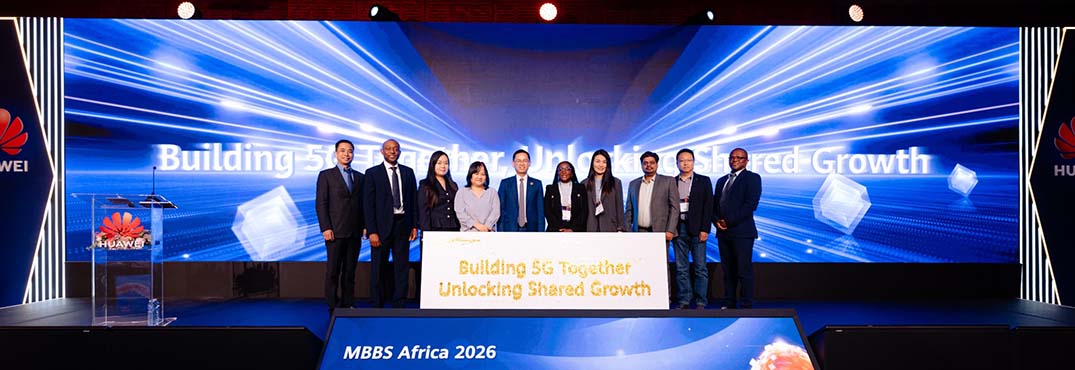
5G Vision 2030 Initiative Launch
At MBBS Africa during Africa Tech Fest 2026, Huawei and other participating parties jointly launched the 5G Vision 2030 Initiative, with a target setting of delivering consistent speeds of 100 Mbps for every home, street and business by 2030. The next phase of the 5G journey in Sub Saharan Africa will be judged by the experience it delivers and the AI services it enables, with townships, informal settlements, and specific enterprise uses offering the biggest opportunities.
“Affordable, experience-focused 5G networks are needed to support growing AI, enterprise, and consumer demand as 5G development accelerates across the region,” said Mlungisi Nhlapo, Senior Solutions Architect at Huawei Sub-Saharan Africa.
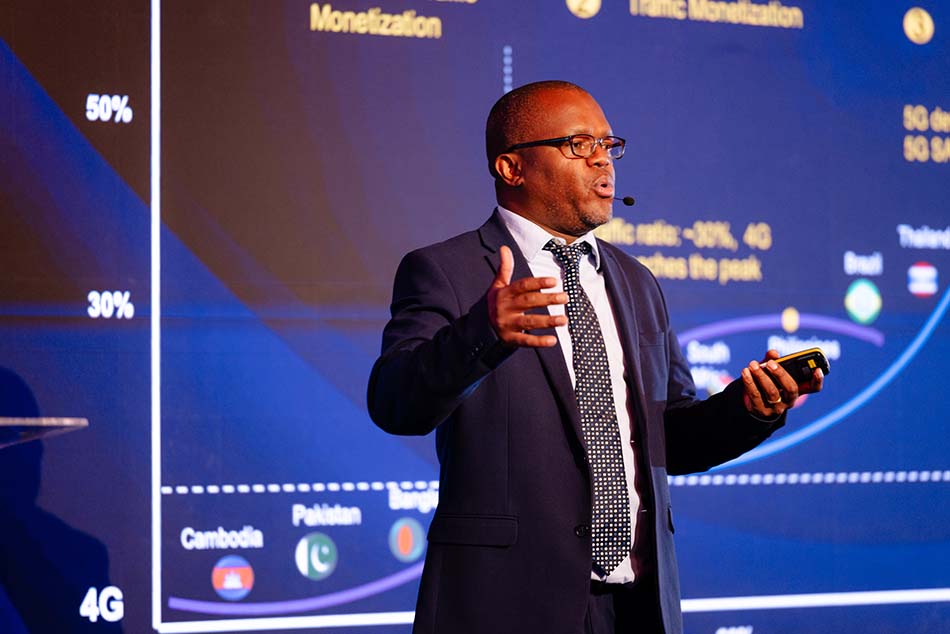
Mlungisi Nhlapo, Senior Solutions Architect at Huawei Sub-Saharan Africa
African countries are setting ambitious connectivity targets, according to Allen Tang, President of Huawei’s Wireless & Cloud Core Network, who opened the event. “The digital economy is a national priority, and Huawei is working with its African partners to help them achieve their goals,” he said.
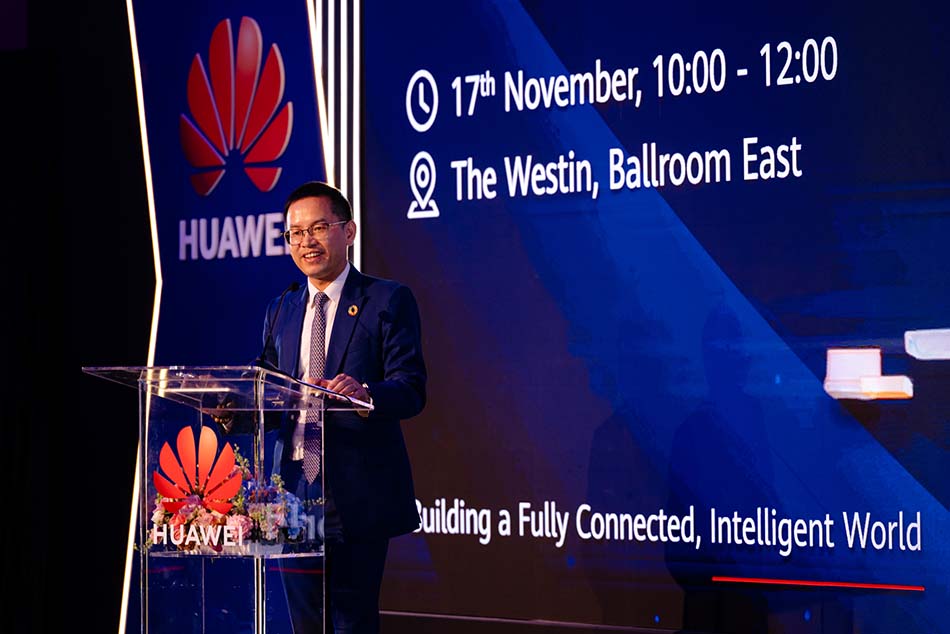
Allen Tang, President of Wireless & Cloud Core Network, Huawei
Operators are building on what they already have. Safaricom aims to modernise its network while making full use of its investment in 4G infrastructure, said Anthony Gacanja, Director Networks Safaricom PLC. “Just last year, we were talking about expanding 4G coverage. These investments have paid off. But now the focus is on 5G, and we need to build new networks to meet the needs of customers who demand fast experiences and competitive pricing.”
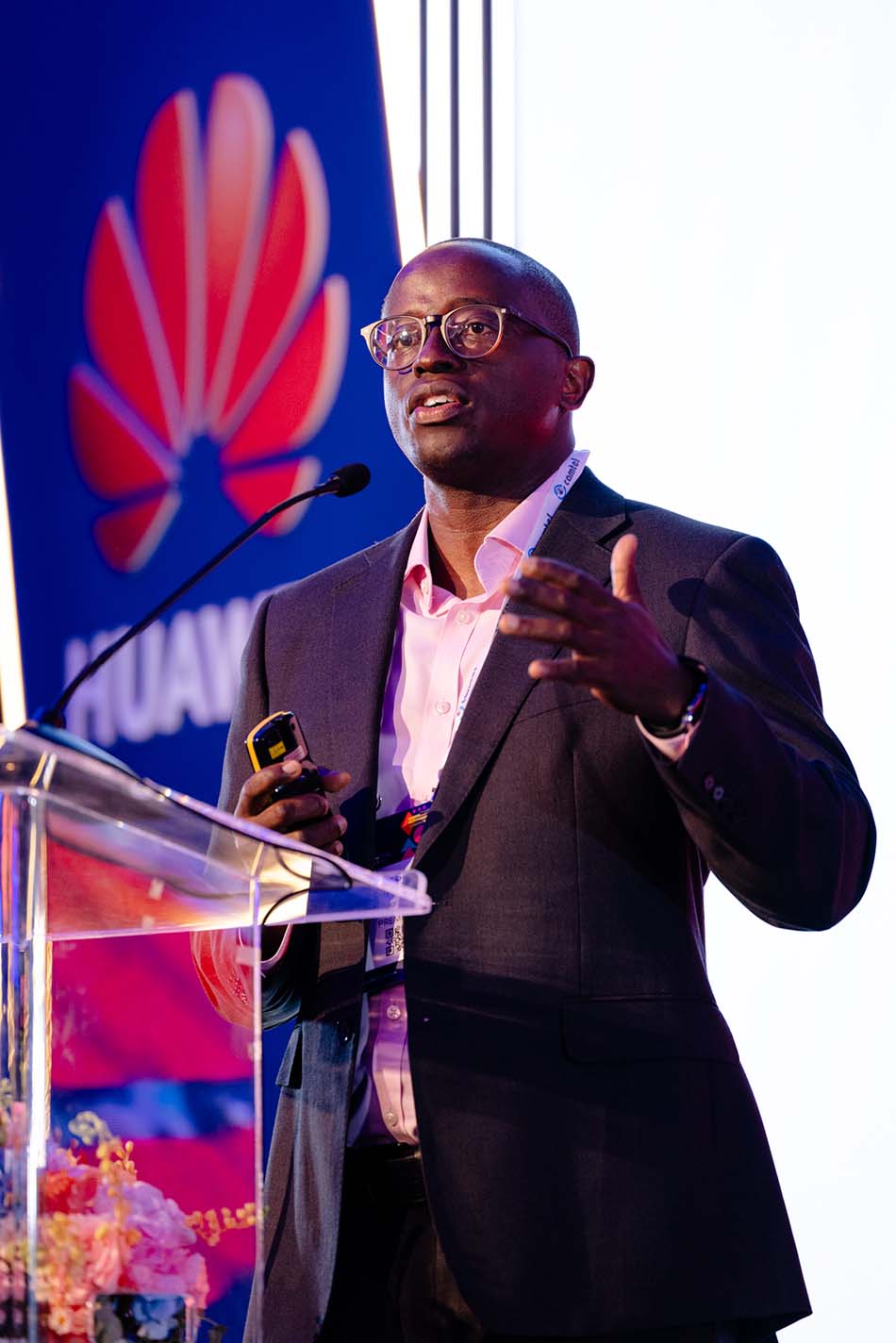
Anthony Gacanja, Director Networks Safaricom PLC
Data is now showing operators where 5G will deliver the most value. Vodacom launched 5G in three cities in May 2020 and has since expanded its coverage to a national scale, with AI guiding where it invests next, explained Diane Keitsemore, Access Network Engineering Managing Executive at Vodacom. “The data tells us where people are ready for 5G and where the value of 5G will be unlocked. And this is in our informal settlements and townships. These people are ready for 5G,” she said.
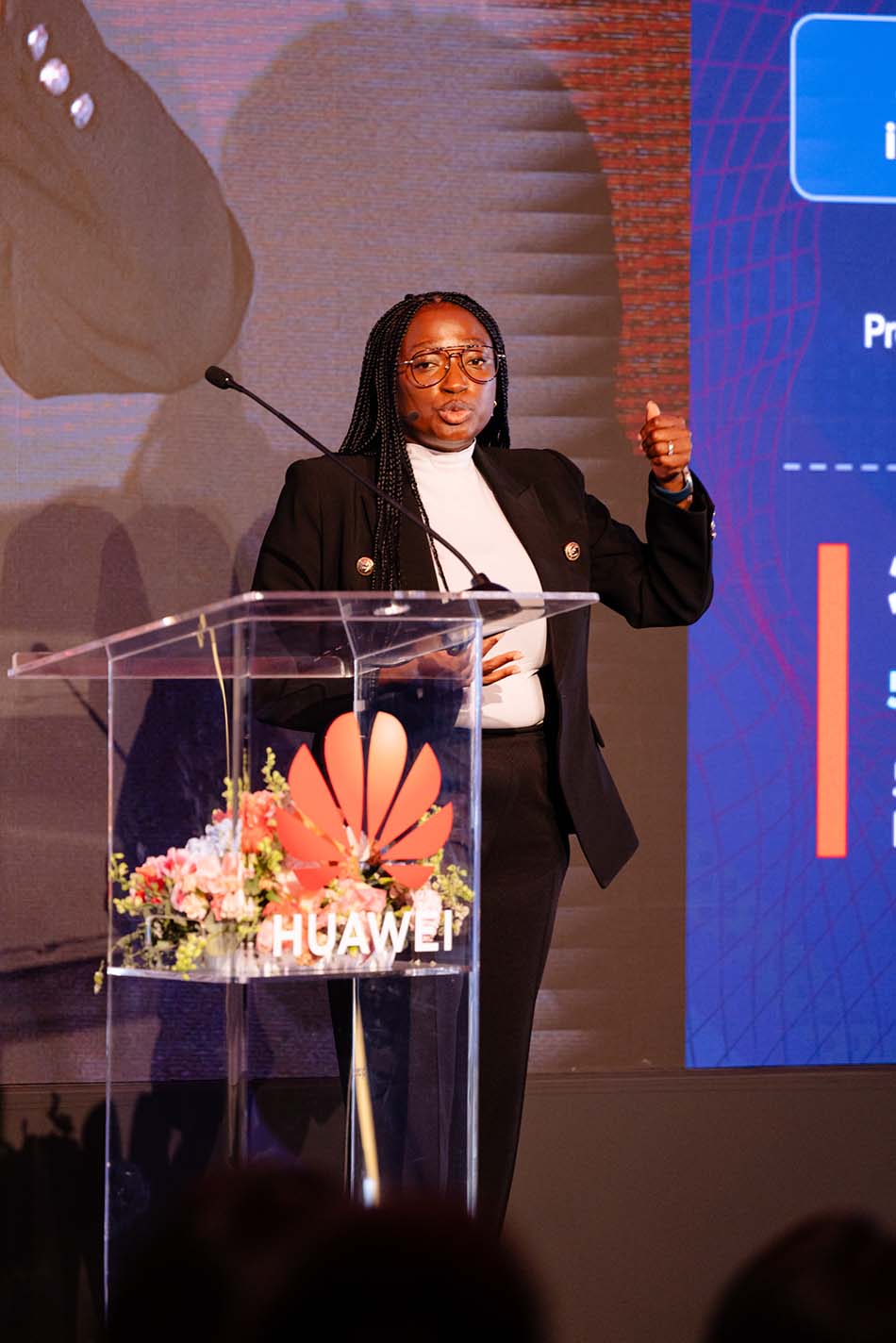
Diane Keitsemore, Access Network Engineering Managing Executive, Vodacom
“While the technology is important, this conversation is really about people,” said Lodens Lu, Vice President of Huawei’s Wireless TDD Product Line. Africa’s fixed broadband market trails the global average, leaving real opportunities across the market for networks with strong performance and broader coverage.
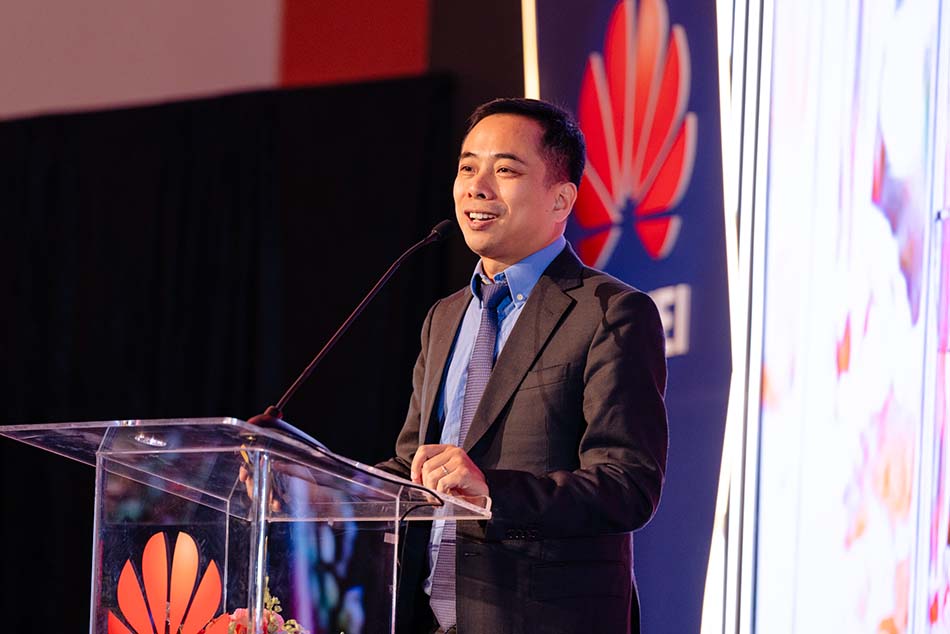
Lodens Lu, Vice President of Wireless TDD Product Line, Huawei
The commercial case is stronger in specific sectors. 5G smart mining can reduce costs, drive efficiency, and improve safety across mines, with AI drawing on real-time data from IoT sensors to optimise work, according to Sudipto Moitra, Enterprise Solutions General Manager at MTN South Africa. “But rolling out 5G across an entire mine is impossible, which is why it’s important to identify specific use cases and then expand as the need changes.”
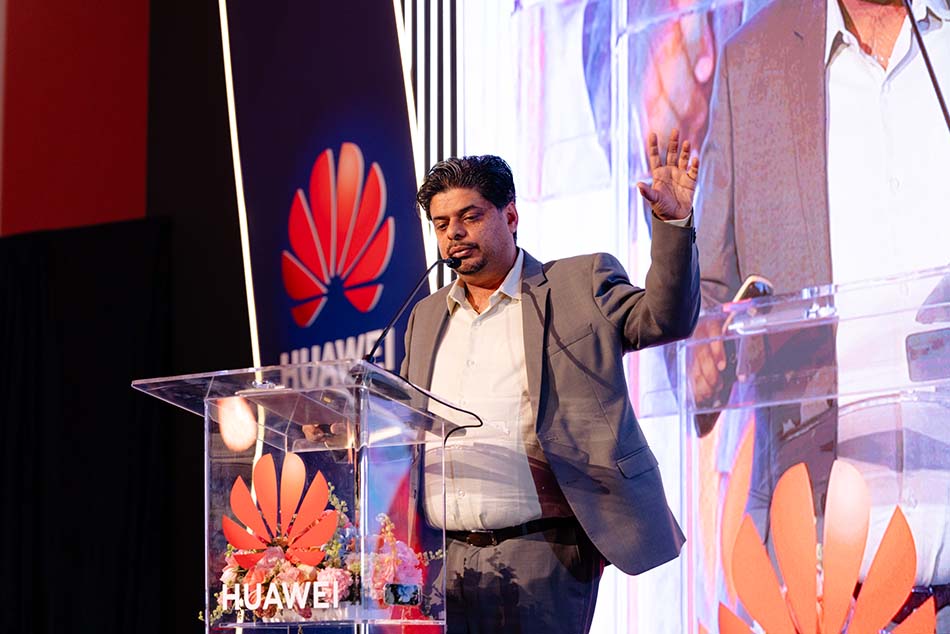
Sudipto Moitra, Enterprise Solutions General Manager at MTN South Africa.
The question around 5G has moved from if to when and now to how, said Kenechi Okeleke, Senior Director at GSMA Intelligence, who described this as a more challenging stage on the continent’s 5G journey. “Africa must improve its connectivity foundation so 5G can expand to reach the addressable market. Enhancing network capabilities, not just 5G coverage, is essential,” he added. “There is a need to modernise broadly but densify selectively.”
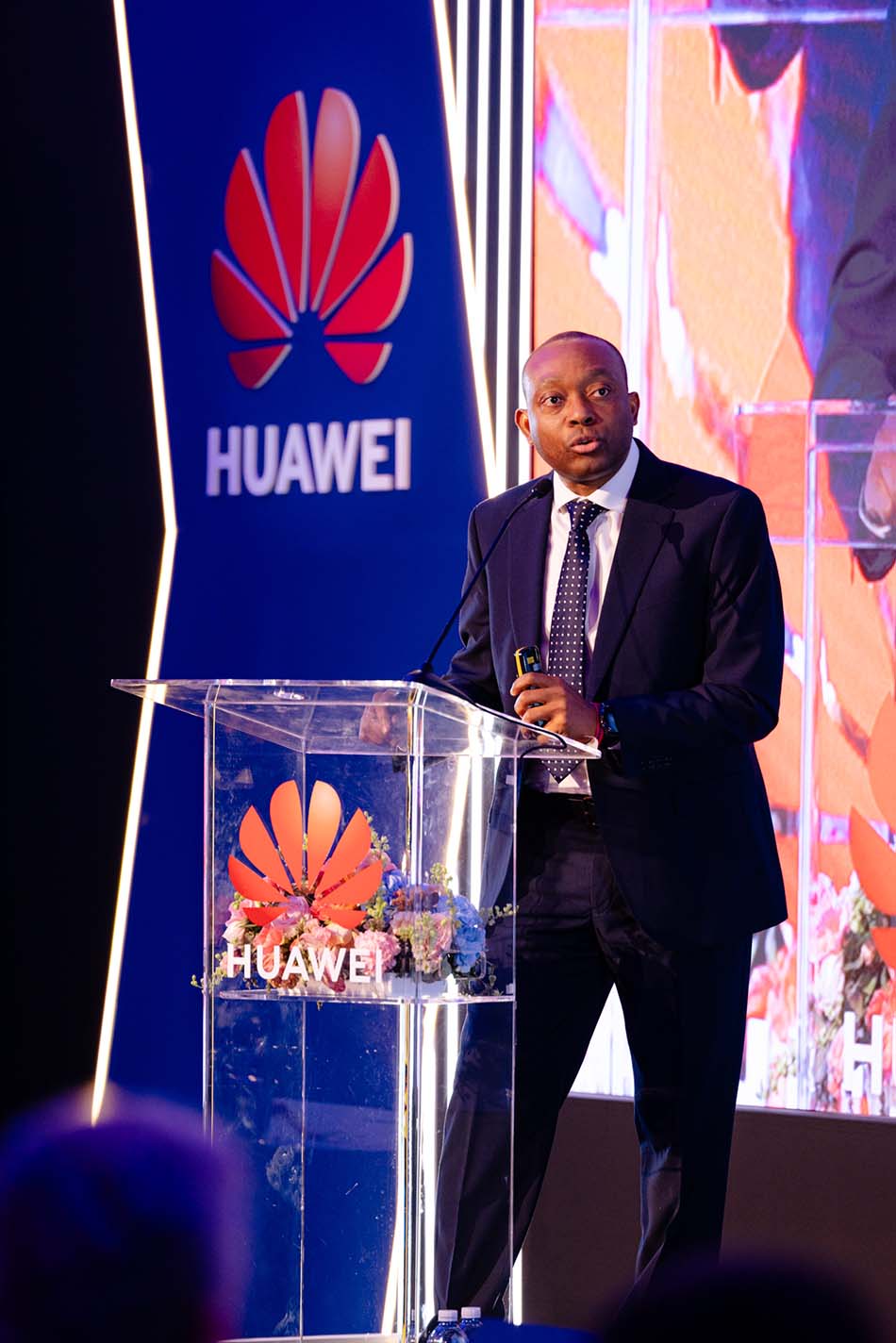
Kenechi Okeleke, Senior Director at GSMA Intelligence
“Five priorities will unlock 5G’s potential across Africa,” he said. These include creating an addressable market, modernising existing networks, densifying where value is visible, monetising outcomes and coordinating across the ecosystem. “Africa does not need to replicate how other regions have approached 5G development. Rather, Africa needs to build a model around its demand, its needs and the opportunities in the region.”